


Rounds vs. Fancy Shapes- Why Are Rounds More Expensive?
Hey everyone, this is Daniel Namdar with #Diamondtalk. Today, I wanted to share some highly relevant information regarding a question I get all the time: Rounds vs. Fancy Shapes—Why Are Rounds More Expensive?
If you were to ask anyone to picture a classic diamond, a round brilliant is almost always what comes to mind. It is the most requested and frequently sold shape worldwide. There are two primary reasons why rounds command a significant market premium:
1. The Precision Cutting Process and Material Waste
What makes a diamond sparkle so intensely is its faceting—its unique ability to capture light and reflect it back to your eye. To achieve the specific facet arrangement of a round brilliant, a diamond cutter must sacrifice a much larger portion of the original rough diamond weight compared to cutting a fancy shape like a cushion or a radiant. Because more raw material is lost during the cutting process, a one-carat round requires a heavier, more expensive piece of rough to start with than a one-carat fancy shape.
2. Consumer Demand Drives Value
In the luxury market, high demand naturally drives prices up. For decades, the round diamond has been the absolute standard for engagement rings. While we are seeing a massive shift recently with oval and elongated cuts performing exceptionally well, the historic and global popularity of the round shape keeps its market value consistently elevated.
How This Affects Fancy Color Diamonds
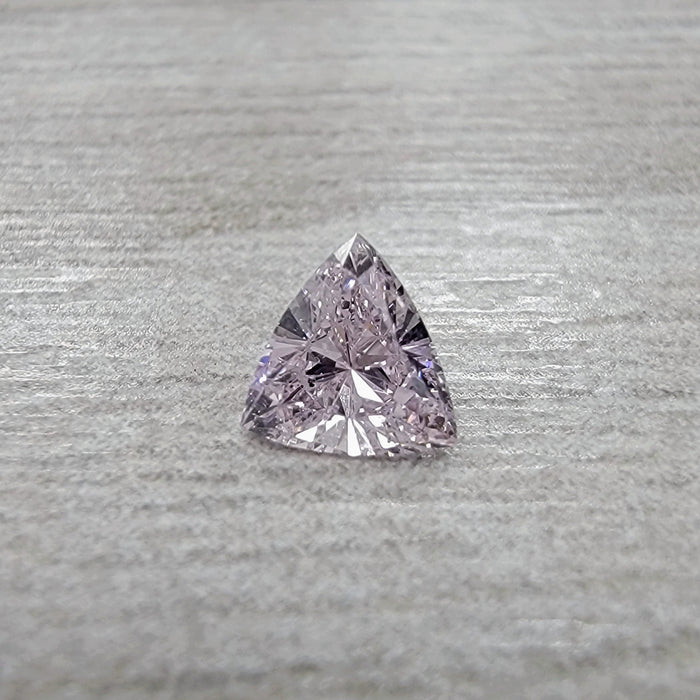
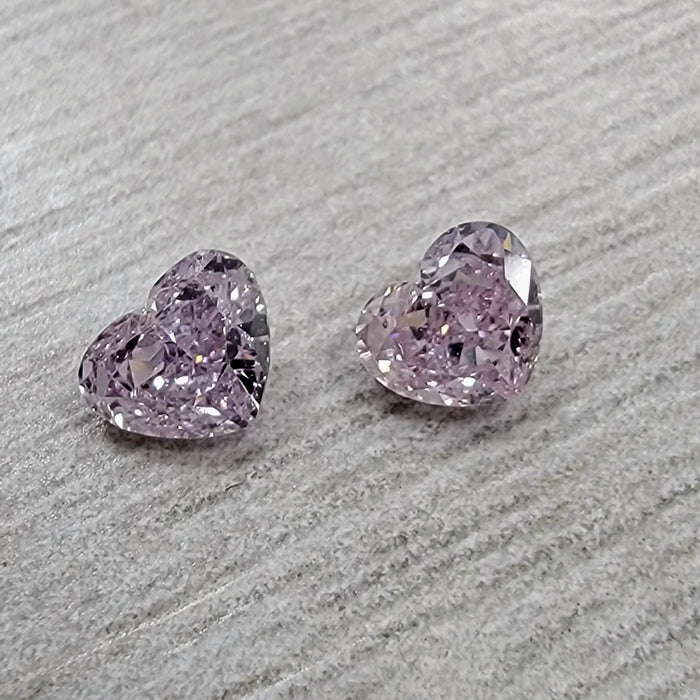
When it comes to fancy color diamonds, the rules of cutting change completely. While white diamonds are cut to maximize light return (brilliance), a color diamond is meticulously cut to trap and intensify the color within the center of the stone. This is why you will typically see certifications reading "Cushion Modified Brilliant" or "Oval Modified Brilliant"—the modification alters the faceting layout specifically to enrich the color saturation.
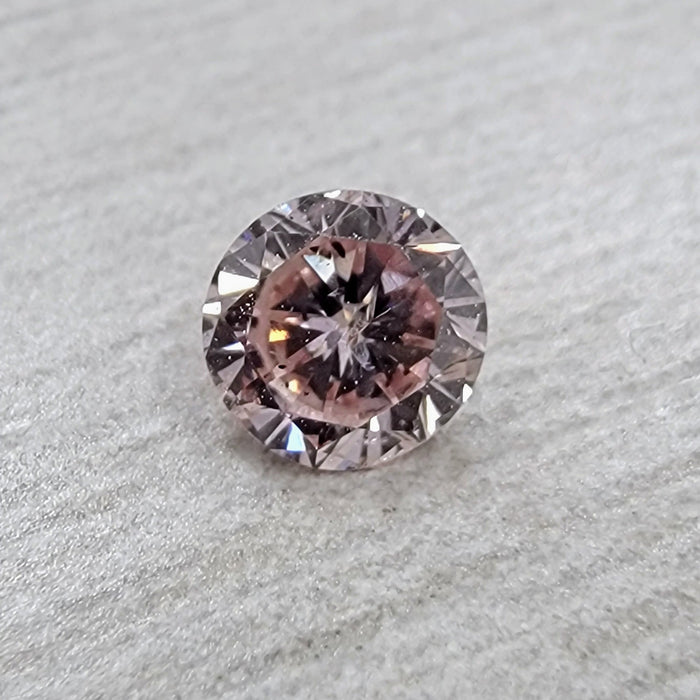
Because round cuts naturally reflect a massive amount of light out of the stone, it is incredibly difficult to retain deep color in a round shape. To achieve a certification like "Fancy Yellow" in a round brilliant, a cutter must start with an extraordinarily saturated piece of rough—a piece that likely would have yielded a "Fancy Intense" grade if it had been cut into a cushion instead.
Due to this extreme rarity, round fancy color diamonds often trade anywhere from 50% to 100% higher than alternative shapes. While you pay a premium, you are acquiring a significantly rarer geological masterpiece that commands exceptional long-term value.
Which Cut is Right for You?
At Namdar, we don't believe in telling you what you should buy. A diamond is an intensely personal acquisition, and you should always choose the stone that speaks to you. If you value a classic, ultra-rare aesthetic, a round diamond is a phenomenal choice. However, if you love seeing maximum color depth and unique personality, explore the world of fancy shapes.
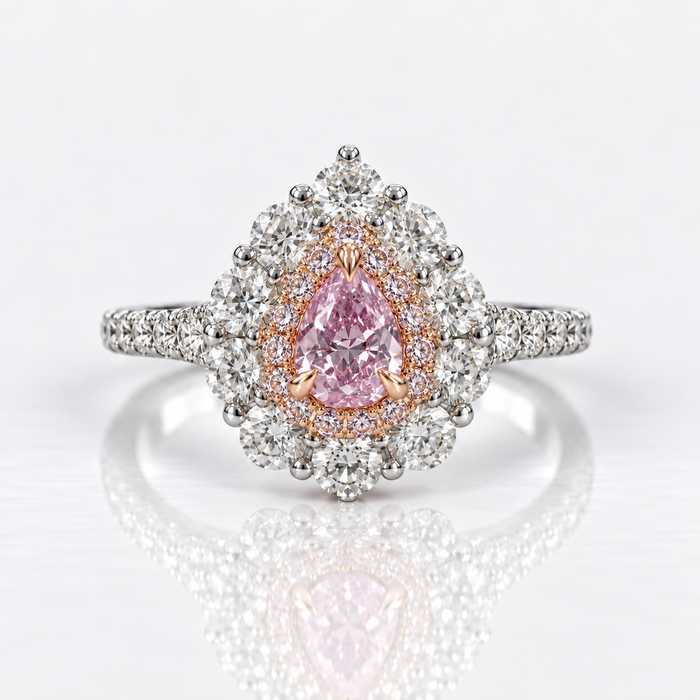
Explore Extraordinary Cuts: Browse our exclusive, NYC-handmade collection of GIA-certified Fancy Color Diamond Jewelry and find the shape that perfectly matches your style.


Leave a comment